A NEW SCHOOL
answer her questions. She gave them specific instructions and they were easy to follow.
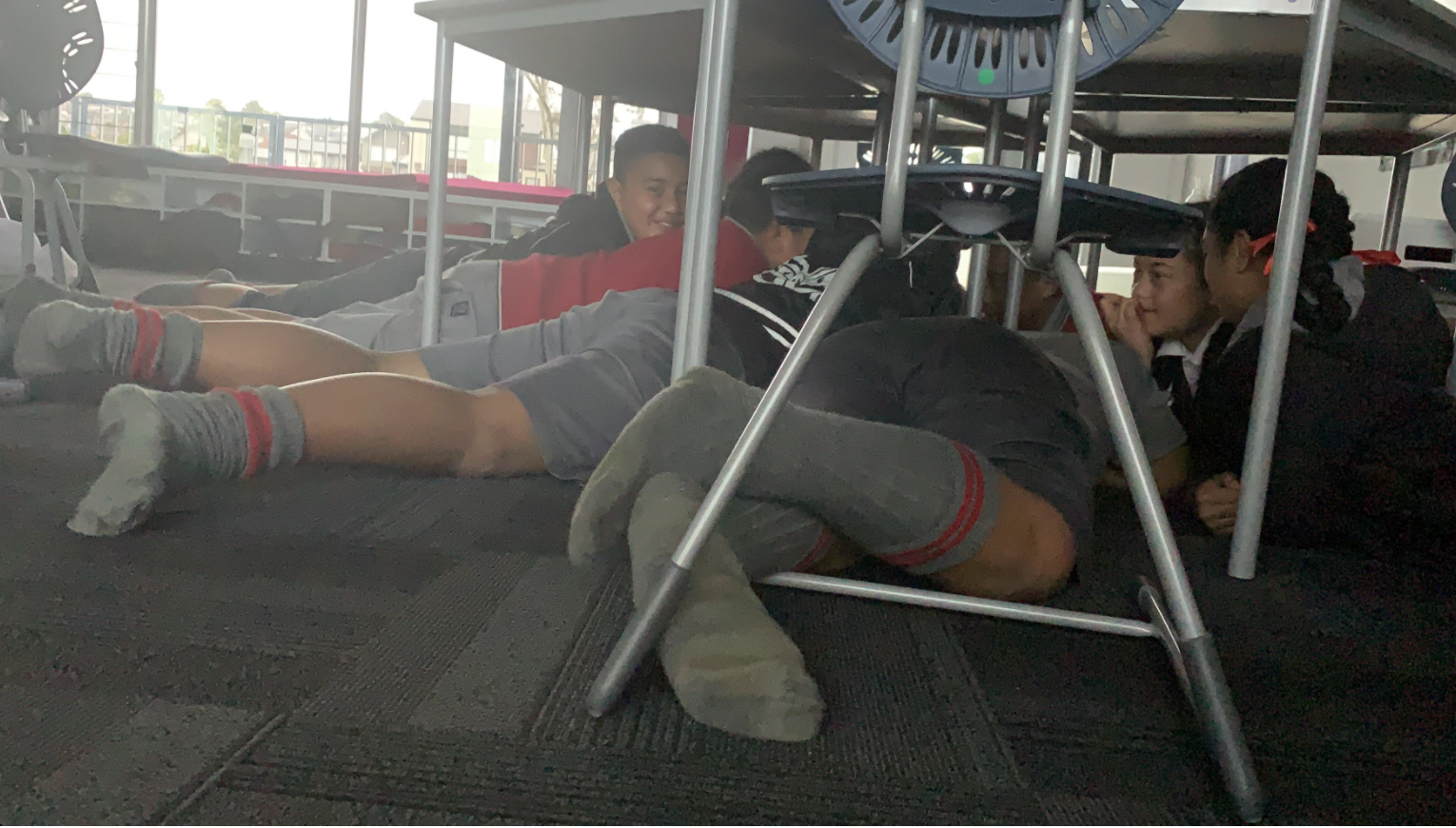
spent lying on their stomachs.
I am a Year 8 student at St. Pius X Catholic School. I am in Te Wairua Pakiki 4 Learning Space and my teachers are Mr Gaffney, Ms Nees and Mrs Tui .
POSITIVE | NEUTRAL | NEGATIVE |
Biodegradable refers to the ability of materials to break down and return to nature. For packaging products or materials to qualify as biodegradable, they must completely break down and decompose into natural elements. The decomposing process must take a short time after disposal - typically a year or less. | The first synthetic plastic was made in 1907 by a Belgian name Leo Baekeland. He invented Bakelite in a lab in New York. Bakelite was known as ‘The material of 1,000 uses’. It has been used to make phones, radios, jewellery, chess sets and so much more | The durability and long-lasting life of plastics are the things that cause problems in the environment. It will take decades… centuries before plastics that are now on earth begin to break down. |
Plastics are produced from by-products of crude oil. Because of this, they can be broken back down again into a usable product. | Since the 1950s, one billion tons of plastic has been thrown away around the world. Microplastics - minute particles of plastics have been found in the deepest oceans we can explore, on the highest mountains we can climb, and in the most remote areas of the world. | |
Plastic is lightweight, strong and easy to create. It has been used in endless ways… and it’s so cheap to make and buy. Other more expensive natural materials, such as wood, metals, silks and animal skin have been replaced by plastics. | Great and rare sea birds like albatrosses get tangled up in old fishing nets and die. Around 400,00 marine mammals die every year due to plastic pollution in oceans. | |
Polythene bags - the ones gave out or sold in the shop and used for some packaging, are easily carried by the wind, something that makes them almost impossible to collect for recycling. | ||
A big source of microplastics is wastewater from washing machines. Washing synthetic clothes in rivers and lakes do the same thing. | ||
Sea creatures, like worms, molluscs and crustaceans, are at the bottom of the food chain - that is, are eaten by other larger animals. They often end up ingesting microplastics… which then pass up the food chain. Other animals, and humans, end up with microplastics in their bodies… and get sick or die. | ||
Many marine animals mistake some types of plastic for food and them. Turtles often die because the plastic they eat blocks their digestive system, so they starve. Marine animals (like dolphins) often get trapped by plastic nets or ropes and either drown or starve to death. | ||
Plastics generally have a short life compared to metals, This short life cycle results in pile-ups of unwanted garbage in the homes, streets, towns, villages, waterways and waste yards. In some cities in the world creek and river, waters don’t flow because of the plastics build-up. | ||
Some plastic products are highly flammable - for example, polystyrene, acrylics, polyethene are commonly used in packaging, home and office appliances. This makes them a fire hazard. |